
You’re probably replaying the knock at the door, the call from an agent, or the letter that changed everything, trying to figure out what comes next. If you’re under investigation or already facing federal charges in Wisconsin, Kim & LaVoy S.C. can walk you through what’s ahead. We build a defense around the facts of your case.
Book Your ConsultationFederal Criminal Defense Lawyer in Milwaukee, Wisconsin
Led by a Former Milwaukee County Prosecutor Who Knows How the System Works






Do I Need A Federal Criminal Defense Attorney?
It’s normal to feel unsure about what your situation means. You may not know how much the government already has or how serious this could become. You might also wonder whether hiring a lawyer now, before charges are even filed, will actually change anything.
We are here to help if:
- You were contacted by the FBI, DEA, IRS, or another federal agency and don’t know whether to talk to them.
- You received a grand jury subpoena or a letter naming you as a target or subject of an investigation.
- Federal agents executed a search warrant at your home, office, or business.
- Your child or another family member is facing federal charges, and you don’t know what happens next.
- You run a business or hold a professional license and a federal case could put your career at risk.
You don’t need every detail sorted out before you call. A conversation with one of our federal defense lawyers can help you understand your options and take the next step with confidence.
Speak With A Defense Attorney TodayWhat Does A Federal Charge Really Mean For You?
A federal case can reach further than the courtroom, and the process itself can be as stressful as the charge. Legal procedures have to be handled correctly at every stage, from the first contact with an agent to a possible indictment. Otherwise, the consequences can turn out more severe than they need to be.
Depending on your situation, this may affect:
- Your freedom, since federal sentences follow detailed federal sentencing guidelines rather than a state judge’s broader discretion. [U.S. Sentencing Commission]
- Your professional license, if you work in health care, finance, real estate, or another regulated field.
- Your business, if the investigation touches records, employees, or contracts tied to how you make a living.
- Your family, especially if a subpoena or search warrant reaches into your home.
- Your peace of mind, since federal investigations can run for months before anyone is charged.
Even an investigation that hasn’t led to charges yet carries real weight. That’s why getting one of our federal defense lawyers involved early matters. It’s also why legal representation is crucial once federal agents are involved.
Book a Consultation

Types Of Federal Charges We Defend In Wisconsin
As a federal crime defense lawyer team, we handle federal cases across a wide range of conduct, including:
- Drug trafficking and distribution
- Wire fraud, mail fraud, and bank fraud
- Health care fraud and Medicare fraud
- Tax fraud and tax evasion
- Money laundering
- Public corruption and bribery
- Embezzlement and theft by fraud
- Computer crimes and identity theft
- Firearms offenses
- Internet-related federal charges, including cases that begin as internet-based investigations
No matter which of these charges you’re facing, getting our team involved early gives us more room to work with.
Book a Consultation
Available 24 hours a day
Confidential
Speak Directly with an attorney
Our Approach As Your Federal Defense Attorneys
When you search for a federal defense lawyer, or for lawyers for federal cases in Wisconsin, here’s what happens when you contact our firm:
Step 1: You reach out to our criminal defense law firm.
Call our office or request a case evaluation.
Step 2: We review what happened.
We look at what stage your case is in, whether that's an active investigation, a subpoena, a target letter, or an indictment. We also look at what the government has gathered so far.
Step 3: We explain your options.
We walk you through what you're facing, including realistic outcomes. We also lay out paths forward, whether that's negotiation, a plea agreement, or trial.
Step 4: We build your defense.
We work to find legal challenges and proof problems in the government's case. Then we pursue the best possible outcome based on the facts of your situation.
Our goal stays simple: protect your rights, help you understand the process, and support you in making decisions about your future.
Get Legal AdviceWhy Clients Choose Kim & LaVoy
Choosing the right federal defense attorneys can change how your case turns out. Here’s what sets our team apart:
- Direct access to our attorneys from your first call.
- A former Milwaukee County prosecutor is on your side and knows how federal cases get built. That experience gives us insight into how the state builds this type of case. We know where charging decisions get made and what the other side is likely to do next.
- A team of seven to ten attorneys who discuss cases together, not a single lawyer working alone.
- Trial experience that carries weight when negotiating with federal prosecutors, which means the government takes your case seriously from the start.
- More than 100 jury trials litigated, with Julius Kim and Jonathan LaVoy recognized in Milwaukee Magazine’s survey of judges, prosecutors, and lawyers as two of Wisconsin’s best criminal defense lawyers. That record means federal prosecutors know we’re prepared to go the distance, not just negotiate from a weaker position.
“What I can guarantee people is that if they hire us, we’re going to do everything we possibly can to look and see if there are any legal issues, challenges, proof problems with the case,” says Julius Kim, Managing Partner. That means every federal case gets a real look for legal challenges and proof problems before we ever discuss strategy with you.
Speak To A Lawyer Today

Schedule a Consultation
100% Confidential Legal Consultation
Frequently Asked Questions About Federal Criminal Charges In Wisconsin
Federal prosecutors, officially called Assistant U.S. Attorneys, weigh the strength of the evidence and the resources a case would need before moving forward. They often have more resources than state prosecutors. Still, the federal government bears the burden of proof in federal felony prosecutions, which means prosecutors have to prove their case against you, not the other way around. [U.S. Courts] A federal criminal lawyer who understands federal court procedures can tell you what you’re up against. Getting one involved early, before the investigation wraps up, can sometimes prevent charges from being filed at all.
Federal criminal cases begin with an investigation stage, often led by federal law enforcement agencies such as the FBI, DEA, or IRS Criminal Investigation. A federal criminal investigation can run for months before anyone is arrested. Our federal defense lawyers can step in during this stage to offer pre-charging representation that protects your constitutional rights, and in some cases, present information to the U.S. Attorney’s Office that helps avoid charges altogether. The government also offers pretrial diversion for lower-risk, first-time offenders, which means prosecution can be avoided entirely in the right circumstances. [U.S. Department of Justice]
Federal prosecutors often bring federal criminal charges by way of a grand jury indictment rather than a simple police report. A federal grand jury reviews the evidence gathered during an investigation and decides whether probable cause exists, which means an indictment can happen without your side of the story being heard first. [U.S. Courts] A subpoena can mean you’re a witness, a subject, or already a target. If you receive one, or a target letter, talk to one of our federal defense lawyers before you respond, testify, or turn over documents.
Federal law enforcement agents generally have the right to execute a valid search warrant. You don’t have to answer their questions, though. [Fed. R. Crim. P. 41] You have the right to remain silent, and anything you say can end up in the case against you. Ask to see the warrant, get the agents’ names, and call one of our federal defense lawyers before you say anything else.
Federal cases follow federal rules of criminal procedure and evidence, and they tend to be more complex than state cases, often involving more evidence than a typical state case. Many state crimes and federal offenses overlap, so whether a case belongs in state court or federal court depends on which law was broken and which agency investigated it. It is possible to face both state and federal charges for the same conduct, which means your defense strategy has to account for both systems at once. [U.S. Department of Justice] Crimes that cross state lines, or that use a federal agency such as the U.S. Postal Service for illegal purposes, typically end up in federal court instead of state court.
Yes, health care fraud is a common type of federal crime, and Medicare and Medicaid billing cases make up a large share of federal healthcare fraud prosecutions nationwide. The Department of Justice’s 2026 National Health Care Fraud Takedown charged 455 defendants, including 90 doctors and other licensed medical professionals. The cases involved more than $6.5 billion in false claims obtained under fraudulent pretenses. [U.S. Department of Justice] The average federal sentence for health care fraud in fiscal year 2025 was 21 months, which means a conviction can mean real prison time, not just a fine. [U.S. Sentencing Commission]
Most federal criminal matters end in a plea agreement rather than a trial verdict. More than 90 percent of federal defendants plead guilty rather than go to trial, which means the real fight usually happens in the negotiation, not in front of a jury. [U.S. Courts] The terms of that agreement, including what you plead to and what the government recommends at sentencing, can matter as much as the outcome at a federal trial would. The leverage in that negotiation depends heavily on the work our federal defense lawyers do before the agreement gets offered.
Federal sentencing uses the United States Sentencing Guidelines, which factor in all conduct connected to the offense, not just the count you’re convicted of. [U.S. Sentencing Commission] A presentence investigation report is required in most federal cases before sentencing, and it’s used to calculate your offense level and guideline range. [Fed. R. Crim. P. 32] Judges usually sentence within that calculated range, though they can depart from it with a written reason. Penalties range from probation to federal prison, and repeat conduct, large losses, or firearms tend to draw more severe penalties, which means your history and the offense details matter too. [U.S. Sentencing Commission] Federal appeals are possible after sentencing. In most cases, you must file a notice of appeal within 14 days of the judgment, so acting quickly can help you protect that right. [Fed. R. App. P. 4(b)]
Ready To Talk To Someone About Your Case?
Federal cases don’t wait, and neither should you. Whether you’re under investigation, holding a target letter, or already facing an indictment, the sooner one of our federal defense lawyers reviews your case, the more options you tend to have. Contact Kim & LaVoy S.C. to talk with one of our federal defense lawyers about what you’re facing and what comes next.
Book Your ConsultationAreas We Serve
At Kim & LaVoy S.C., we represent clients across the state of Wisconsin, including federal cases in both the Eastern and Western Districts.
We regularly serve clients in:
- Milwaukee
- Brookfield
- Waukesha
- Wauwatosa
- West Bend
- West Allis
- and other counties throughout Wisconsin
What Our Clients Say
“Julius Kim was my attorney for my second DUI - a situation no one wants to be in. However, I was (and am) extremely thankful for having such a dedicated lawyer. He gave me no false hopes; yet still instilled hope in me.”

“Jonathan LaVoy did exactly what we set out to do. His staff was accommodating, made me feel comfortable, detailed and kind.”
“Very satisfied with the service we received with Attorney Jamie Pagac. She was knowledgable and professional. She was also personable and considerate. In what could have been an overwhelming experience our case was handled perfectly by the whole group at Kim & LaVoy.”
Resources From Our Blog
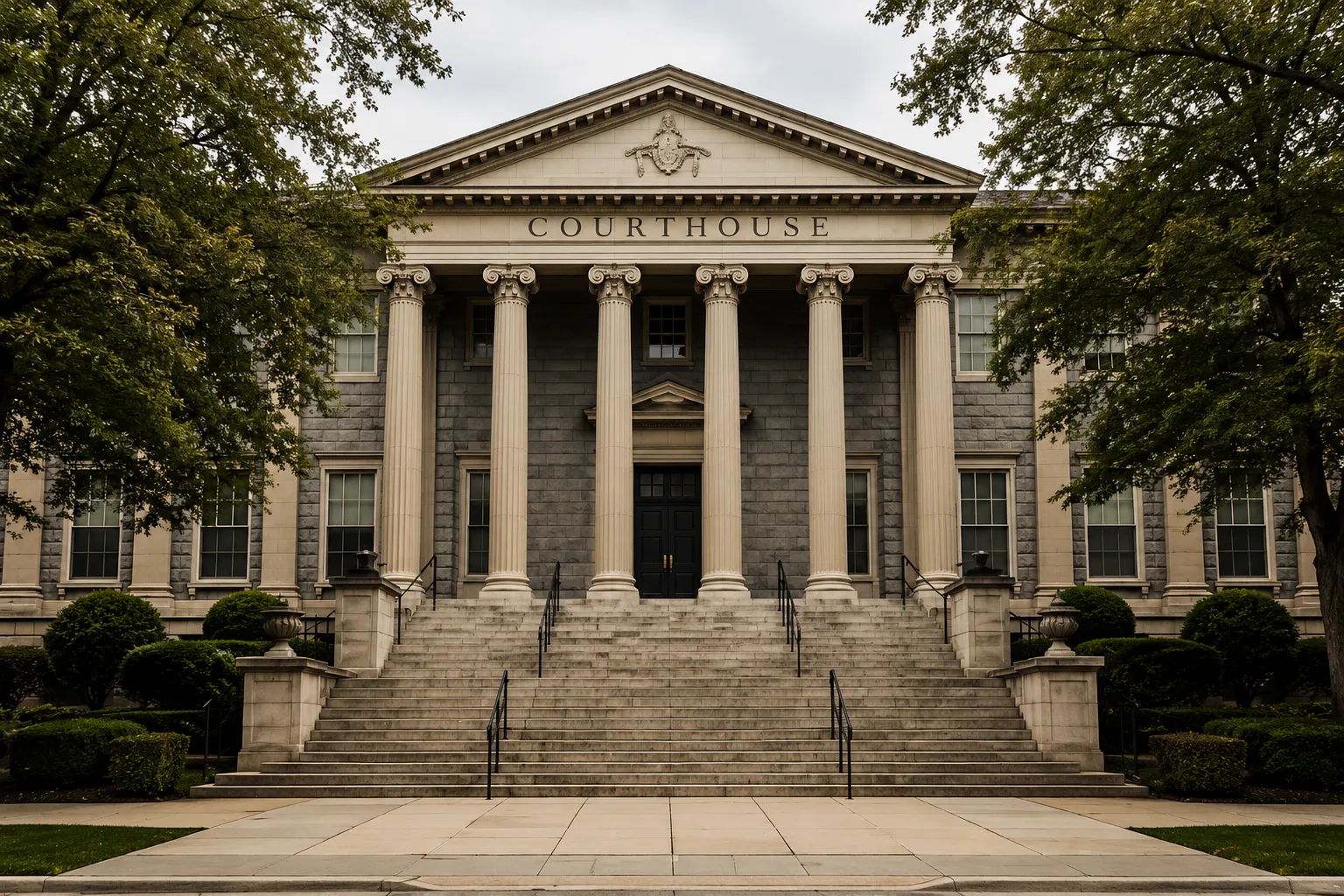
What Happens When a Case Goes to Trial in Wisconsin
What happens when a case goes to trial can feel like a mystery when you’re the one facing charges. If…

What Is a Pre-Sentence Investigation (PSI) and What Happens Next in Wisconsin?
This article is for anyone facing sentencing on a felony conviction or guilty plea in Wisconsin who wants to understand…

What Does a Defense Lawyer Do? Understanding Their Role in a Criminal Case
Here’s what usually happens. You get arrested, or you find out charges might be coming, and the first thing you…
Legal Disclaimer
The information provided on this page is for general informational purposes only and does not constitute legal advice. Every criminal case is unique, and the facts of your specific situation may result in different outcomes than those described here. Reading this content does not create an attorney-client relationship between you and Kim & LaVoy S.C. or any of its attorneys. Wisconsin law is complex and subject to change. For legal advice tailored to your individual circumstances, please contact Kim & LaVoy S.C. directly.