
If you believe you’ve been wrongfully convicted of a crime in Wisconsin, you may still have options. The appellate process exists because legal errors happen, and identifying them takes a trained eye. At Kim & LaVoy S.C., we review your case, identify legal issues, and guide you toward post-conviction relief with clarity.
Book Your ConsultationPost-Conviction and Appellate Attorney Milwaukee, Wisconsin
Led by a Former Milwaukee County Prosecutor Who Knows How the System Works






Do I Need a Post-Conviction Lawyer in Wisconsin?
It’s common to feel uncertain after a conviction, especially if you believe mistakes were made but aren’t sure what can be done about it. You might assume that once a judgment is entered, your options are limited.
We’re here to help if:
- You were convicted and believe there were legal errors during your criminal trial
- You’re considering filing a direct appeal or post-conviction motions
- You believe your trial counsel may have provided ineffective assistance
- You have new evidence that wasn’t presented during the original trial
- You want guidance from post-conviction and appellate lawyers in Wisconsin you can trust
You don’t need to understand appellate law before reaching out. A clear conversation can help you understand whether your case may qualify for post-conviction proceedings.
Speak With A Defense Attorney TodayWhat Do These Appeals Mean For You?
An appeal isn’t a second trial. It’s a structured legal process that reviews what happened in the original case and determines whether legal errors affected the outcome.
Depending on your situation, your appeal may involve any of the following:
- We may challenge legal errors made in the trial court.
- We may review whether the trial court violated your constitutional rights.
- We may raise claims that your trial counsel provided ineffective assistance.
- We may present new evidence that could affect the outcome.
- We may seek a modified sentence or a new trial.
In Wisconsin, you have the right to pursue post-conviction relief through a direct appeal or post-conviction motions. [Wis. Stat. § 974.02] You must file a Notice of Intent within 20 days of sentencing or final adjudication if you want to pursue this relief. [Wis. Stat. § 809.30(2)(b)] Missing this deadline can close off options that were otherwise available.
Acting quickly can help you protect your right to appeal. Appeals are handled in appellate courts, not trial courts. Judges review written arguments, legal research, and the trial record instead of hearing new testimony or watching witnesses testify again. Appellate judges also move quickly through oral argument, asking rapid questions about the record and the law.
This is a very different skill from arguing in front of a jury, and it’s why appellate experience matters. In some cases, further review may be sought in the Wisconsin Supreme Court or, through a separate process and the federal courts. [Wis. Stat. § 808.10] [28 U.S.C. § 2254]
Book a Consultation

Types of Post-Conviction Relief We Pursue
Our team handles the following range of appellate and post-conviction options under Wisconsin law:
- We handle direct appeals to the Wisconsin Court of Appeals.
- We file post-conviction motions, including motions to vacate, set aside, or correct a judgment and sentence. [Wis. Stat. § 974.06]
- We raise claims of ineffective assistance of trial or appellate counsel.
- We pursue habeas corpus petitions, including federal habeas corpus after you’ve exhausted state remedies. [Wis. Stat. § 782.01]
- We bring motions based on newly discovered evidence.
- We request sentence modification when the circumstances support it.
If you’re not sure which of these applies to your case, contact us. You’re not expected to know the difference between a direct appeal and a post-conviction motion. That’s what the initial review is for.
Book a Consultation
Available 24 hours a day
Confidential
Speak Directly with an attorney
Our Approach as Criminal Defense Attorneys and What Happens Next
When you’re considering an appeal, having a clear strategy is essential. These cases require detailed legal research, a deep understanding of appellate law, and careful analysis of the original trial. At Kim & LaVoy S.C., our appellate lawyers take a structured approach to reviewing your case and identifying the strongest possible arguments.
Step 1: You reach out
You contact our appellate law firm and begin a confidential conversation about your case.
Step 2: We review your case
We examine the trial record, witness testimony, and any potential legal errors that may support an appeal. If you hired us after your trial, that's often an advantage, since an attorney generally can't argue their own performance was ineffective. That's why a fresh set of eyes from a different firm is usually necessary to raise that claim.
Step 3: We explain your options
We give you an honest assessment of your case and explain the appellate process, including deadlines and possible outcomes.
Step 4: We build your appeal
If you choose to move forward, we begin preparing appellate briefs, motions, and arguments aimed at challenging the conviction or sentence because appeals are decided largely on written briefs, exceptional legal writing matters as much as courtroom experience here.
This process requires precision and experience, since appellate courts focus on the legal issues in the record rather than rehearing the entire case.
Get Legal AdviceWhy Clients Choose Kim & LaVoy S.C.
Choosing a Wisconsin appellate attorney means more than filing paperwork. You need a team that knows how to analyze complex litigation and catch issues others might overlook. This includes mistakes made by trial teams that didn’t have the benefit of hindsight.
At Kim & LaVoy S.C., our attorneys bring extensive experience in both trial and appellate stages, which lets our team approach cases from a well-rounded perspective. Kim & LaVoy S.C. bills most criminal cases, including appellate matters, on a flat fee basis rather than an open-ended hourly rate.
When you work with us, here’s what you can expect:
- You’ll have direct access to experienced appellate attorneys.
- We’ll give your case a detailed review for legal errors.
- You’ll benefit from strong legal research and written advocacy.
- We’ll provide strategic guidance through post-conviction proceedings.
- Our team stays focused on protecting your future and seeking justice for you.
- We’ll represent you in state and federal courts when necessary.
“I treat this position more as kind of a vocation in all honesty, not just a profession. It’s a calling,” says Julius Kim, Managing Partner at Kim & LaVoy S.C. This mindset shapes how our appellate team treats your case. To us, you are more than a file to close.
We’ll take a fresh, careful look at your case and figure out what can still be done.
Speak To A Lawyer Today

Schedule a Consultation
100% Confidential Legal Consultation
Frequently Asked Questions About Appeals and Post-Conviction Relief in Wisconsin
Most criminal appeals begin in Wisconsin state court, where the Court of Appeals reviews the trial record for legal errors rather than retrying the case. If the Court of Appeals denies relief, a petition for review can be filed asking the Wisconsin Supreme Court to hear the case. [Wis. Stat. § 808.10] Once state court options are exhausted, a case may move to federal court through a writ of habeas corpus. [28 U.S.C. § 2254] The Wisconsin Court System’s Guide to Wisconsin Appellate Procedure for the Self-Represented Litigant covers filing requirements and deadlines in more detail. [Guide to Wisconsin Appellate Procedure for the Self-Represented Litigant]
Ineffective assistance of counsel is one of the most common claims raised in post-conviction proceedings. It means the defendant’s trial counsel didn’t fulfill the responsibilities that come with defending a criminal case, affecting the outcome. To prove this claim, a defendant must show the attorney’s performance fell below an objective standard of reasonableness and that it affected the result. [Strickland v. Washington, 466 U.S. 668 (1984)] In Wisconsin, this claim is raised through a postconviction motion, and if proven, it can lead to a new trial or other post-conviction relief. [Wis. Stat. § 974.06] Because your original trial attorney can’t argue their own performance was deficient, these claims usually need a different appellate lawyer with no stake in the earlier work. [Wisconsin SCR 20:1.7]
A habeas corpus petition is a legal tool used to challenge unlawful detention, often after other appeal options have been exhausted. In Wisconsin, habeas corpus is governed by state statute, and it allows someone to argue that their imprisonment violates their constitutional rights. [Wis. Stat. § 782.01] These petitions can be filed in both state and federal courts and are typically used to raise claims such as prosecutorial misconduct or due process violations. If successful, a court may grant relief, which can include releasing the defendant or ordering further review.
Yes, in certain situations. This typically happens through a post-conviction motion arguing that evidence that wasn’t available at the time of trial could have changed the outcome. [Wis. Stat. § 974.06] Courts consider whether the evidence is credible and whether it was previously unavailable through no fault of the defendant. They also look at whether it’s strong enough to create a reasonable probability that a jury would have reached a different result. If the court finds the argument compelling, it may grant relief, including ordering a new trial.
When reviewing a case, our appellate lawyers focus on legal and procedural errors, substantive law issues, and whether the trial court violated your rights. This also means combing through the trial record, the same record built during the trial process, to find what courts call reversible errors, meaning a legal mistake by the judge that likely affected the outcome. Our appellate lawyers prepare written arguments and may argue before the court to challenge your conviction or sentence. In Milwaukee’s District I Court of Appeals, cases resolved by full three-judge opinion averaged 587 days, about 19 months, from filing to decision in 2025. [Wisconsin Court of Appeals 2025 Annual Report] Wisconsin Statute § 809.30 sets the filing deadlines for this process, and missing one can close off your opportunity for relief entirely. [Wis. Stat. § 809.30]
Because appellate courts operate differently than trial courts, the skills that matter most also differ. Appellate lawyers typically show stronger legal research, case analysis, and writing skills than trial work requires, since most of an appeal is decided on the written record. An attorney who appears regularly before the Wisconsin Court of Appeals is more likely to understand that court’s preferences than one who rarely practices there. Ask any attorney you’re considering for a list of published decisions and successful reversals in cases similar to yours, one of the clearest signs of competence. It’s also worth confirming the attorney meets Wisconsin’s appeal deadlines consistently, since a missed filing can end an appeal before the court reaches the merits. [Wis. Stat. § 809.30]
Book Your Consultation With Our Experienced Appellate Lawyers
If you’ve been convicted and believe there were legal errors in your case, the outcome may not be final. That’s true whether the error happened at the trial court or all the way up through the Wisconsin Supreme Court. A single unfavorable ruling doesn’t have to define your future.
Contact our post-conviction law firm today to speak with a Wisconsin appellate attorney and explore your options in both state and federal courts.
Book Your ConsultationAreas We Serve
At Kim & LaVoy S.C., we represent clients across Wisconsin, with a strong presence throughout the Milwaukee area and a statewide practice.
We regularly serve clients in:
- Milwaukee
- Brookfield
- Waukesha
- Wauwatosa
- West Bend
- West Allis
- and other counties throughout Wisconsin
Our attorneys handle cases in both state and federal courts, guiding clients at every stage of the appellate process.
Find A LawyerWhat Our Clients Say
“Julius Kim was my attorney for my second DUI - a situation no one wants to be in. However, I was (and am) extremely thankful for having such a dedicated lawyer. He gave me no false hopes; yet still instilled hope in me.”

“Jonathan LaVoy did exactly what we set out to do. His staff was accommodating, made me feel comfortable, detailed and kind.”
“Very satisfied with the service we received with Attorney Jamie Pagac. She was knowledgable and professional. She was also personable and considerate. In what could have been an overwhelming experience our case was handled perfectly by the whole group at Kim & LaVoy.”
Wisconsin Appeals and Post-Conviction Resources From Our Blog
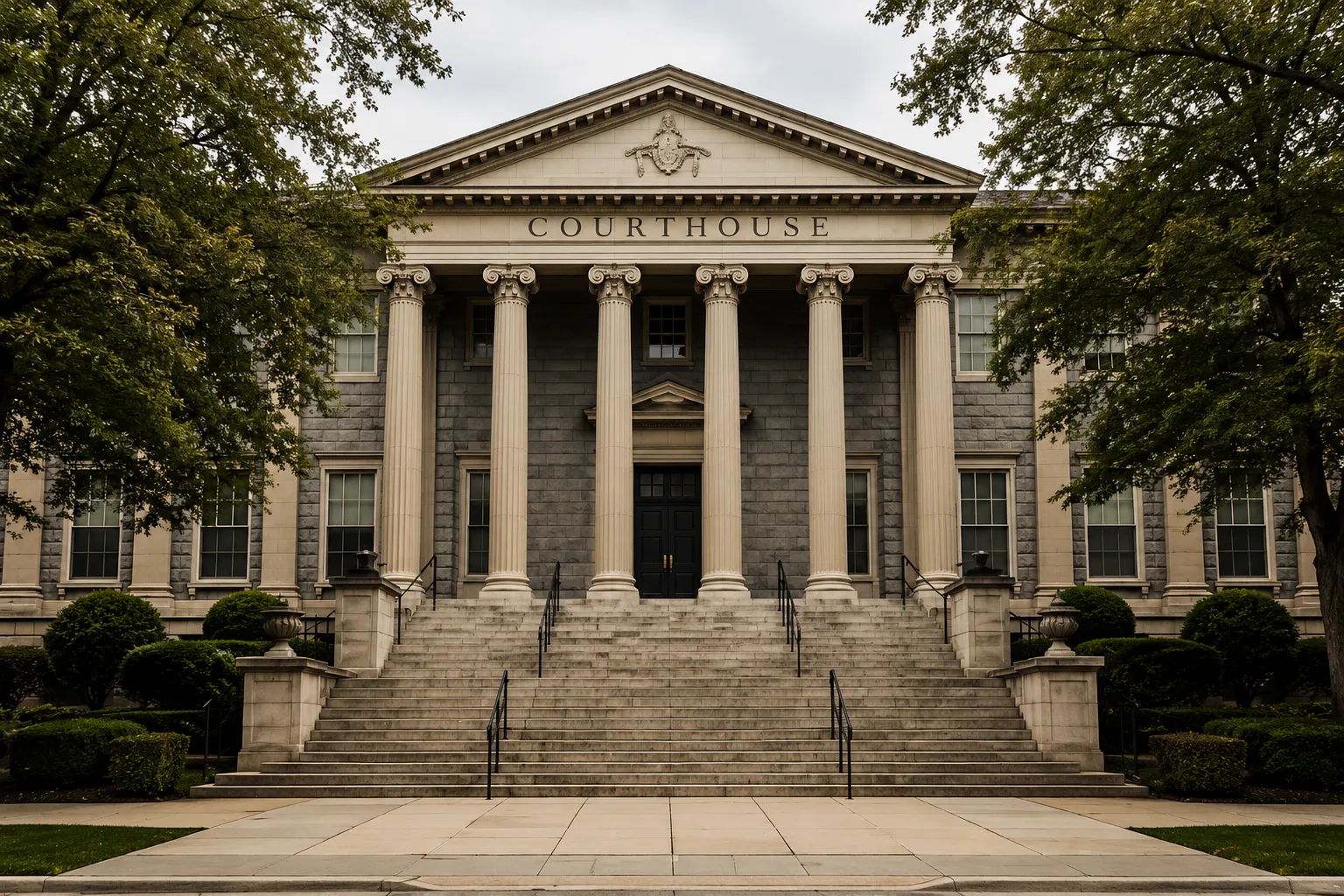
What Happens When a Case Goes to Trial in Wisconsin
What happens when a case goes to trial can feel like a mystery when you’re the one facing charges. If…

What Is a Pre-Sentence Investigation (PSI) and What Happens Next in Wisconsin?
This article is for anyone facing sentencing on a felony conviction or guilty plea in Wisconsin who wants to understand…

What Does a Defense Lawyer Do? Understanding Their Role in a Criminal Case
Here’s what usually happens. You get arrested, or you find out charges might be coming, and the first thing you…
Legal Disclaimer
The information provided on this page is for general informational purposes only and does not constitute legal advice. Every criminal case is unique, and the facts of your specific situation may result in different outcomes than those described here. Reading this content does not create an attorney-client relationship between you and Kim & LaVoy S.C. or any of its attorneys. Wisconsin law is complex and subject to change. For legal advice tailored to your individual circumstances, please contact Kim & LaVoy S.C. directly to schedule a consultation.