
If you’ve reached this page and you are facing a Class A misdemeanor in Wisconsin, we ask that you take a deep breath before reading on. Please remember, you have options, and this situation does not, and should not, define who you are.
Kim and LaVoy S.C. Founding Attorney Julius Kim reminds our clients, “This doesn’t define who you are. Let’s see if we can try and get you through this process, get you through this case without completely undoing everything in your life that you’ve worked hard for.”
You might feel scared and alone, but you are not. Countless other people have faced similar Class A misdemeanor charges and gone on to live happy, healthy, productive lives. It may seem overwhelming now, but we can assure you that help is available. It’s in your best interests to find a great Wisconsin criminal defense attorney to walk you through this process and help you during this difficult time
At Kim & LaVoy S.C., we are more than a criminal defense law firm; we are advocates for our clients. Helping people during difficult times is a big part of what we do. Call for a free consultation today to see how we can help you: (414) 257-2100
Understanding Class A Misdemeanors in Wisconsin
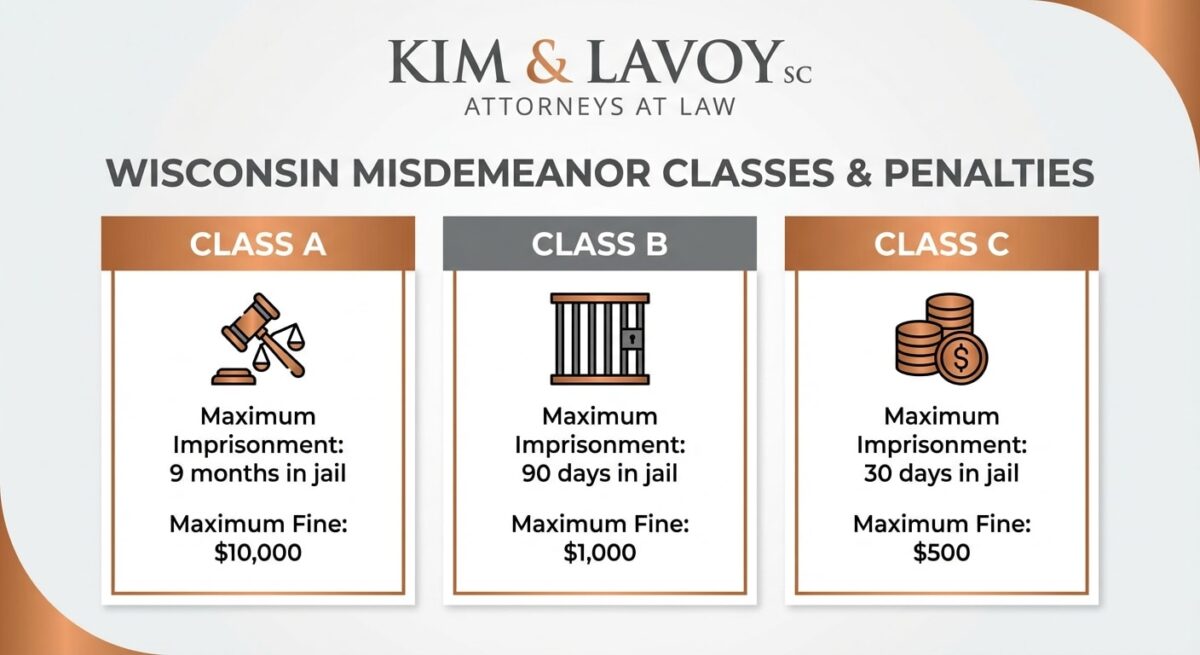
In Wisconsin, crimes are grouped by severity. A criminal offense can be either a misdemeanor or a felony.
- Class A offenses are the most severe, punishable by up to 9 months in jail, a fine of up to $10,000 or both, depending on the offense and specific circumstances.
- Class B misdemeanors are less severe and punishable by up to 90 days in jail and up to $1,000 in fines.
- Class C misdemeanors are the least severe, punishable by up to 30 days in jail and a fine of up to $500. As of 2026, according to Wisconsin statutes.
The law treats each offense differently and weighs the facts of each case during sentencing.
Remember, a charge is not a conviction. If you’ve been charged with a Class A misdemeanor, and you’re unsure what to do next, a short conversation with a criminal defense attorney can help clarify your options. We highly recommend contacting a criminal defense attorney for a free consultation: (414) 257-2100.
Even after a guilty verdict, your attorney can fight to reduce your punishment. This might include negotiating for probation instead of jail time, requesting reduced fines, or presenting evidence of mitigating factors that led to the offense.
What’s the Difference Between a Misdemeanor and a Felony?
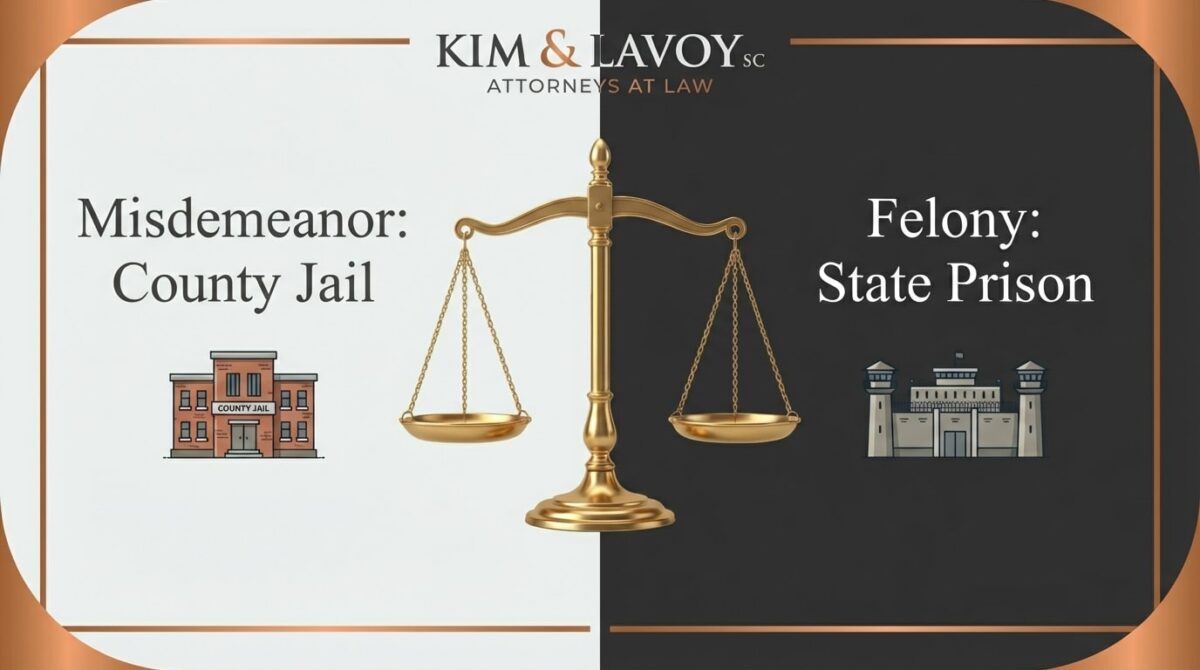
The main difference between a misdemeanor and a felony is the severity of the crime and its potential punishment. A felony is a much more serious crime that can lead to over a year in state/federal prison, higher fines, and long-term, life-altering civil consequences. A misdemeanor is a crime punishable by time in a county jail rather than a state prison.
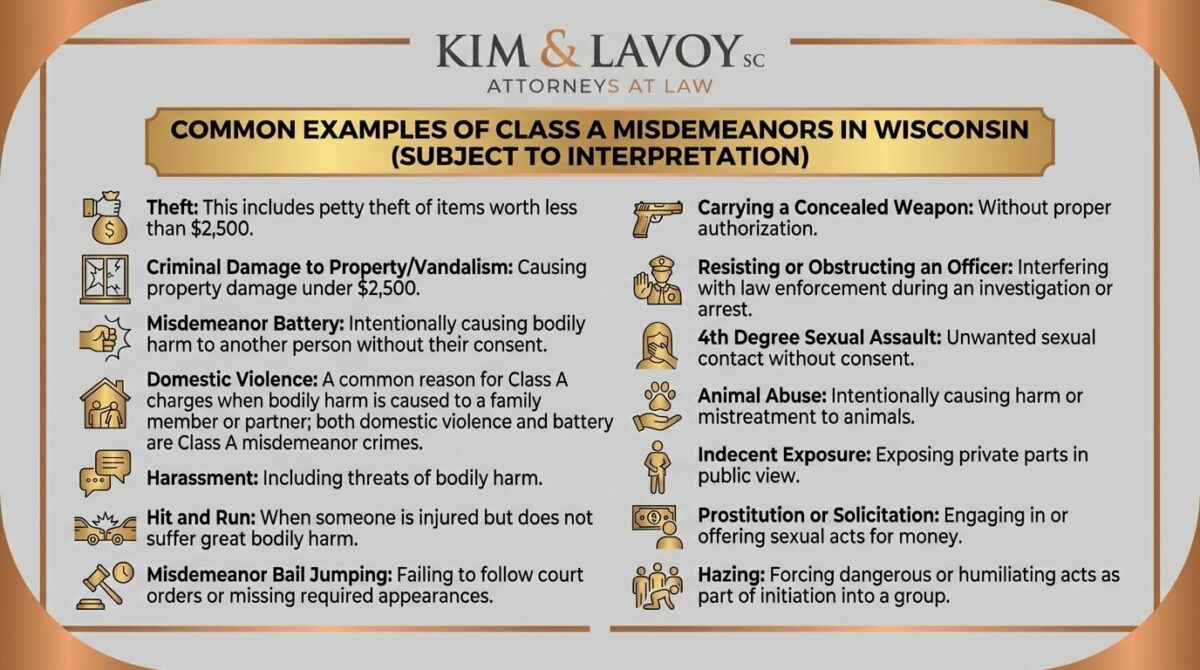
Common Examples of Class A Misdemeanor in Wisconsin Include: (all subject to interpretation)
- Theft: This includes petty theft of items worth less than $2,500
- Criminal Damage to Property/Vandalism: Causing property damage under $2,500
- Misdemeanor Battery: Intentionally causing bodily harm to another person without their consent
- Domestic Violence: A common reason for Class A charges when bodily harm is caused to a family member or partner; both domestic violence and battery are Class A misdemeanor crimes
- Harassment: Including threats of bodily harm
- Hit and Run: When someone is injured but does not suffer great bodily harm
- Misdemeanor Bail Jumping: Failing to follow court orders or missing required appearances
- Carrying a Concealed Weapon: Without proper authorization
- Resisting or Obstructing an Officer: Interfering with law enforcement during an investigation or arrest
- 4th Degree Sexual Assault: Unwanted sexual contact without consent
- Animal Abuse: Intentionally causing harm or mistreatment to animals
- Indecent Exposure: Exposing private parts in public view
- Prostitution or Solicitation: Engaging in or offering sexual acts for money
- Hazing: Forcing dangerous or humiliating acts as part of initiation into a group
It’s common for people to question their charge and think that there was something they could have said or done differently.
Mr Kim says, “Very often, people will call us and second-guess themselves. They think, ‘Maybe I shouldn’t have said that’ or ‘Maybe I shouldn’t have agreed to that’. I tell them to just get through the situation first. And then after you get through the situation, talk to someone, talk to an attorney.”
How Long Does a Class A Misdemeanor Stay on Your Record?
A Class A misdemeanor conviction becomes a permanent part of your criminal record in Wisconsin. It will not go away on its own. However, you may be able to clear your record through a legal process called expungement.
Wisconsin law allows some misdemeanor convictions to be eligible for expungement, but only if you meet specific conditions:
- Age requirement: You must have been under 25 years old when the crime occurred
- Penalty threshold: The maximum possible penalty for your offense must have been less than 6 years of imprisonment
- Completion of sentence: You must have successfully completed all requirements of your sentence, including jail time, fines, probation, and community service
Approval is discretionary and not guaranteed.
Life After a Class A Misdemeanor Conviction
Immediate Consequences
- Jail time: Potentially up to 9 months in county jail if found guilty.
- Fines: Potentially up to $10,000 in penalties.
- Probation and community service: Strict rules and required volunteer work.
- License suspensions: DUI convictions affect your driver’s license; other crimes can impact professional licenses in nursing, teaching, or healthcare.
Long-Term Impact on Your Life
- Employment: Criminal records appear on background checks. Many employers in government, education, healthcare, finance, and childcare reject applicants with convictions.
- Housing: Landlords may deny rental applications to anyone with a criminal record, but they typically evaluate each case in accordance with U.S. Department of Housing and Urban Development (HUD) guidelines.
- Personal Life: A conviction can limit volunteering opportunities and affect child custody or adoption rights, especially for domestic violence cases.
- Legal Rights: Most misdemeanors don’t remove voting rights, but domestic violence convictions can prohibit firearm possession under state and federal law.
Don’t let this situation affect your life more than it has to. Let Kim & LaVoy S.C. work to get charges reduced or dismissed. Call Kim & LaVoy S.C. for a free consultation today to see how we can help you: (414) 257-2100.
What to Expect
The Legal Process in Court
When you face a misdemeanor charge, the prosecution’s job is to prove you are guilty, provide context on the consequences of your actions, and ultimately seek justice. For a more detailed explanation, please visit our page on the steps in a misdemeanor case in Wisconsin.
- Initial Appearance: You’ll go before a judge within 24-48 hours of your arrest. The judge sets bail conditions and informs you of the charges.
- Arraignment: You’ll enter a plea of guilty, not guilty, or no contest. This is where your defense strategy begins.
- Pretrial Proceedings: Your attorney reviews evidence, challenges illegal procedures, and negotiates with prosecutors. Founding attorney Julius Kim was once a prosecutor in Wisconsin, and he knows exactly how they think. Some cases are resolved during this phase, but some move on to trial.
- Trial: During a trial, a jury examines all the evidence presented by both the prosecution and your defense attorney to determine if the state has proven guilt beyond a reasonable doubt.
- Sentencing: If convicted, the judge determines your punishment, which could include jail time, fines, probation, or community service.
Having a loved one support you is helpful, but a lawyer can truly guide you through this process from a legal standpoint.
How Charges Can Get Worse
In most cases, a Class A misdemeanor remains a misdemeanor. However, Wisconsin law allows prosecutors to escalate charges to felony offenses under certain circumstances.
Repeat Offenses
If you have prior convictions, Wisconsin’s “repeater” law allows prosecutors to increase potential jail time and penalties and, in some cases, contribute to felony-level exposure depending on the charge. What would normally result in nine months in county jail could become years in state prison.
Protected Victim Status
Crimes against certain victims carry automatic enhancements or felony charges:
- Elderly persons (age 62+)
- Emergency personnel (police, firefighters, EMTs)
- Healthcare workers
- Domestic violence victims or witnesses
- Vulnerable adults with disabilities
Hate Crime Enhancement
If your offense was motivated by bias based on race, religion, sexual orientation, gender identity, disability, or national origin, prosecutors can enhance penalties under Wisconsin’s hate crime statute, potentially escalating a misdemeanor to a felony.
Other Aggravating Factors
- Use of a weapon
- Severity of injuries (bodily harm vs. great bodily harm)
- Location (school grounds, protected areas)
- Gang-related activity
A Class A misdemeanor can be escalated to a felony under certain circumstances. Prosecutors may look for these aggravating factors to increase your penalties.
Schedule a Consultation For a Defense Strategy
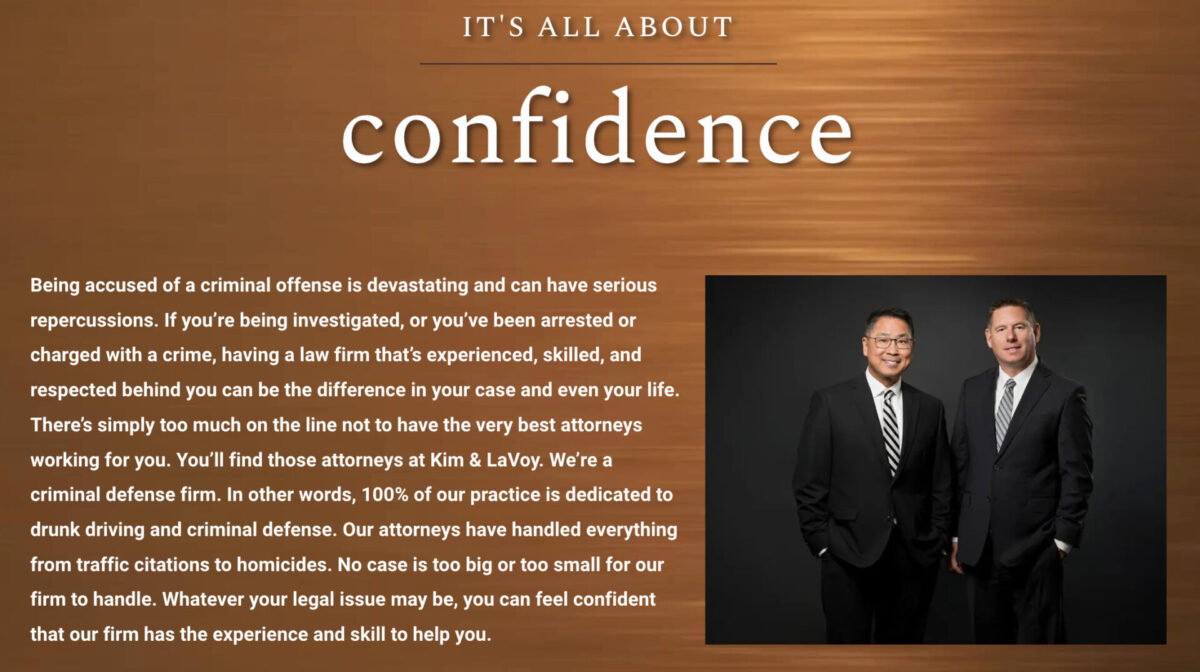
At Kim & LaVoy S.C., we use our experience as former prosecutors to understand what the other side is thinking. We also leverage our entire team of attorneys when reviewing your case to identify any mitigating factors.
You do not have to handle this on your own. Kim & LaVoy S.C. is here to help you through this very difficult situation. Our team has the skills to fight for you in court and the humanity to guide you through this.
We will work hard to get you the best possible outcome. As Mr. Kim says, “I treat this position more as a kind of vocation in all honesty, not just a profession. It’s a calling.” Let us fulfil our calling; let us help you: (414) 257-2100.
Frequently Asked Questions
What is a Class A misdemeanor charge in Wisconsin?
A Class A misdemeanor charge is the most serious misdemeanor offense under Wisconsin law. It is a criminal offense that can result in up to 9 months in jail, fines of up to $10,000, and a permanent criminal record. Unlike felony offenses, Class A misdemeanors are crimes punishable by time in county jail rather than state prison. However, a misdemeanor conviction still carries serious legal penalties and lasting effects on your life.
How much jail time can I get for a Class A misdemeanor?
The maximum punishment for a Class A misdemeanor is 9 months in a county jail. In some cases, the court may impose both jail time and fines. Additionally, you could face probation, community service, or other misdemeanor penalties. The specific sentencing depends on the nature of the criminal charge, your criminal record, and whether you have legal representation. We are able to negotiate charge reductions in various ways.
What is the difference between a misdemeanor and a felony?
Misdemeanors lead to jail time in a local county building. Felonies are more serious crimes and usually result in at least one year in state prison.
Can I get a Class A misdemeanor removed from my record?
You may be able to clear your record through expungement, but only if you meet strict requirements under Wisconsin law. You must have been under 25 years old when the crime occurred, the maximum sentence must have been less than 6 years, and you must have successfully completed all sentencing requirements, including jail time, fines, probation, and community service. Expungement is not automatic; a judge must approve your request. Many states have different rules, but in Wisconsin, expungement is one of the few legal options to remove a misdemeanor from background checks.
Do I need a lawyer for a Class A misdemeanor charge?
Yes, you almost always need a lawyer, and we highly recommend it. Having a strong legal defense is essential when facing a Class A misdemeanor charge. The proof rests on the state to show you are guilty beyond a reasonable doubt. Without legal representation, you risk facing the maximum sentence, hefty fines, losing professional licenses or your driver’s license, and carrying a conviction that affects employment, housing, and your future.
Legal Disclaimer
The information provided in this article is for general informational purposes only and does not constitute legal advice. Every criminal case is unique, and the facts of your specific situation may result in different outcomes than those described here. Reading this content does not create an attorney-client relationship between you and Kim & LaVoy S.C. or any of its attorneys. Wisconsin law is complex and subject to change. For legal advice tailored to your individual circumstances, please contact Kim & LaVoy S.C. directly to schedule a consultation.