
What Is a Preliminary Hearing in Wisconsin?
A preliminary hearing in Wisconsin is the first time a judge looks closely at the state’s evidence against you. If one is on your calendar, you are probably trying to picture what that morning in court will actually involve. This hearing only happens in felony cases, and it happens early in the Wisconsin criminal process, before your case moves anywhere near a trial date.
If you have been charged with a felony and already sat through your initial appearance, this is the next stage in the process. You can see how every stage connects in our Wisconsin Criminal Court Process overview.

A preliminary hearing is used to determine if there is probable cause that a felony was committed. It does not decide guilt or innocence, and no jury sits in on it. At this stage, the judge is only deciding whether or not the state has enough evidence and a reasonable belief that you committed a felony offense to move your case forward. That distinction matters, and it is worth understanding before you walk into the courtroom.
Feeling nervous about this type of hearing is normal, and you do not have to figure it out alone. Our team at Kim & LaVoy S.C. focuses only on criminal defense in Wisconsin, and we can walk you through exactly what to expect before you set foot in the courtroom.
If you have questions about an upcoming preliminary hearing, contact us, and we will talk through your case and what happens next.
Key Takeaways
- A preliminary hearing applies exclusively to felony cases because the penalties are so much higher than in a misdemeanor case.
- A felony preliminary hearing must start within 10 days of your initial appearance if you are in custody with bail set above $500, or within 20 days if you have been released, as per Wisconsin Statute § 970.03(2).
- This hearing is used to determine whether probable cause exists, not whether you are guilty. That is what the state must prove at trial, which is guilt beyond a reasonable doubt, as per Wisconsin Criminal Jury Instructions: Criminal 140 (11/2025).
- Your defense attorney has the statutory right to cross-examine the state’s witnesses during the hearing.
- A judge can find probable cause based partly or entirely on hearsay testimony that is admissible in a preliminary examination, as per the 2011 Wisconsin Act 285. This means that the officer who investigated your case can often testify in place of every individual witness.
- If the judge finds probable cause, the district attorney has 30 days to file an information, a formal accusation, that initiates criminal proceedings and moves the case toward arraignment.
- If the judge does not find probable cause, the charge is dismissed, though the district attorney can refile it later if new evidence surfaces.
What a Preliminary Hearing Is in Wisconsin
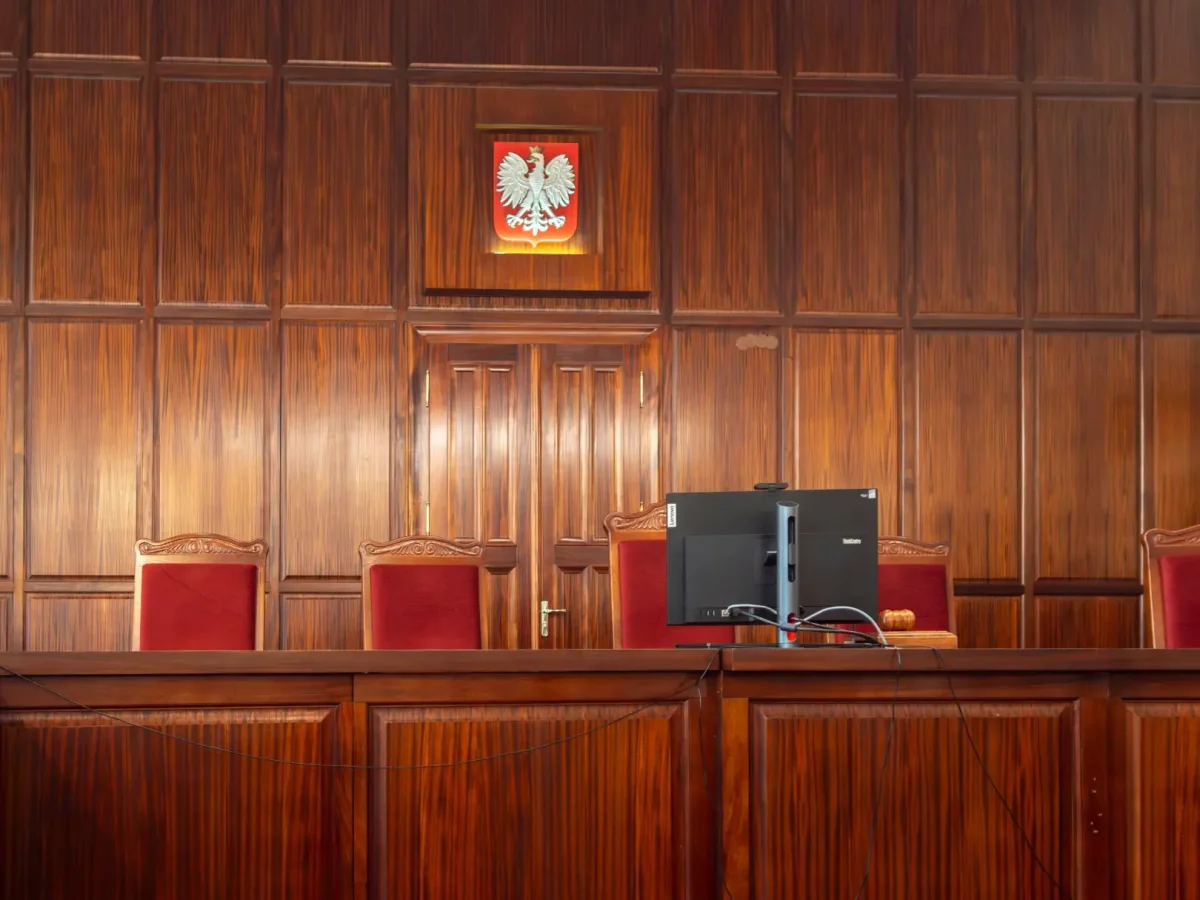
A preliminary hearing, as defined in Wisconsin Statute § 970.03(1), is a hearing before a court that allows a judge to review the prosecution’s evidence and decide whether sufficient probable cause exists to believe a felony was committed by the defendant. Only a judge or court commissioner presides over the hearing, and no jury is present.
This hearing only applies to felony charges. A felony, as defined in Wisconsin Statute § 939.60, is any crime punishable by imprisonment in a state prison, while every other crime is considered a misdemeanor. If you are only facing misdemeanor charges, your case skips this step and moves toward a trial date set at your initial appearance.
If you have already been through your Initial Appearance, you already know the basics of how a Wisconsin felony case opens. A preliminary hearing is a separate, subsequent stage, and understanding the difference between a felony and a misdemeanor helps explain why this stage exists at all.
What Happens at a Preliminary Hearing
At the hearing, the prosecution presents physical evidence and testimony meant to show that a felony probably happened and that you probably committed it. Often, this means law enforcement officers, including the lead investigating officer, are testifying about what the investigation turned up. Your criminal defense lawyer can cross-examine witnesses at this hearing, with the only exception being hearsay testimony.
A change to Wisconsin law, the 2011 Wisconsin Act 285, allows hearsay testimony to be used in a preliminary examination to support a finding of probable cause, meaning that secondhand statements, normally kept out of court, become admissible. In practice, this often means the officer who filed the report can describe what a witness said. Hearsay testimony cannot be cross-examined during the preliminary hearing, as the state does not need to call every witness to testify in person, as per Wisconsin Statute § 970.038(2).
This hearing and cross-examinations are one of the few early chances for a defense attorney to test the prosecution’s case in front of a judge. The burden at this hearing rests entirely with the state, so you are not required to present any evidence of your own or testify.
The Purpose of a Preliminary Hearing: Probable Cause, Not Guilt
The primary purpose of a preliminary hearing is to prevent a felony case from moving forward on charges the state cannot support. Wisconsin lawmakers built this checkpoint into every felony case because the penalties are so much higher than in a misdemeanor case.
It is used to quickly determine whether probable cause exists for the state to proceed with felony charges. The judge is not deciding whether you committed the crime, and is only deciding whether enough evidence exists for the state to keep going.
The probable cause standard only requires the state to show a judge that there is a reasonable belief that a crime happened and that you were the one who committed it. That’s a much lower bar than what the state must prove at trial. To convict you at trial, the state must prove guilt beyond a reasonable doubt, as defined in the pattern instructions Wisconsin juries receive in every criminal case.
A felony case cannot move forward without a finding of probable cause, as the prosecution requires probable cause to formally file charges against you. A finding of probable cause sends your case forward through a bindover, which is not a finding of guilt. It simply means the case cleared the probable cause screening and keeps moving toward trial or a negotiated resolution.
Wisconsin law allows a defendant charged with a felony to waive a preliminary hearing, and if you do, the judge binds you over for trial without holding it, as per Wisconsin Statute § 970.02(4).
How Long Do You Have Before a Wisconsin Preliminary Hearing
Wisconsin Statute § 970 outlines the criminal procedure and timeline regarding preliminary proceedings. The clock does not start at your arrest. It starts at your initial appearance in court when you stand in front of a judge for the first time. From there, the court has 10 days to hold the preliminary hearing if you’re in custody with bail set above $500, and 20 days if you’ve been released. Either side can ask the court to extend that window for cause.
These deadlines are not just a formality. Wisconsin appeals courts have held that missing the statutory deadline costs the court its jurisdiction over the case, which requires dismissal, though the state can still refile the charge. [State v. Lee, 2021 WI App 12]
Because the hearing’s scope is limited to one legal question, probable cause, it typically moves faster than a jury trial, where far more legal and factual issues come up over several days.
What Happens After: Bind Over, Dismissal, or Next Steps
If the judge finds probable cause, your case is sent forward through a bindover and keeps moving toward trial. The district attorney then has 30 days to file an information, the formal charging document listing the felony charges you will answer to. From there, your case typically proceeds to arraignment, where a judge reads out your charges and asks for your plea.
The court must discharge you if the judge does not find probable cause. That is not always the end of the case. If the district attorney later obtains additional evidence, the state can file a new complaint and pursue a second preliminary hearing.
From here, most felony cases keep moving through additional pretrial stages, including hearings where the court checks on the progress of the case. You can read what to expect on our Status Hearing page.
Why Early Legal Representation Matters at This Stage
Julius Kim spent years as a Milwaukee County prosecutor before he started representing the accused, and he has also trained officers at the police academy. That background shapes how our firm prepares for a preliminary hearing, because we know what the state needs to show and where its evidence tends to be weakest.
Kim & LaVoy S.C. handles nothing but criminal defense. Every criminal defense lawyer on our team focuses on this stage specifically, because the days between your initial appearance and your preliminary hearing are when decisions about witnesses, evidence, and strategy are made. You can read more about our attorneys and their backgrounds on the Attorney page.
Call (414) 257-2100 as soon as you know a preliminary hearing is on your calendar. The earlier our attorneys can review the complaint against you, the more options you have before that hearing date arrives.

What Comes Next
A preliminary hearing can feel like the moment everything becomes real, but it’s only one step in a longer process and is not the end of your case either way.

I think that hiring a criminal defense attorney early on in the process is crucial, and it can make a big impact on the outcome of people's cases. In my opinion, it's always best to get ahead of it.
Have questions about your case?
Speak with an experienced Wisconsin defense attorney
Whatever the judge decides at your preliminary hearing, our attorneys will already be thinking about what comes next, from arraignment through trial, if it gets that far. If you are facing a felony charge in Wisconsin and have questions about your upcoming preliminary hearing, contact Kim & LaVoy S.C. or call us at (414) 257-2100.
What Happens Next?
Frequently Asked Questions About Preliminary Hearing
A preliminary hearing is a court hearing held to decide if there is probable cause to believe you committed a felony. Only a judge or court commissioner presides, and there is no jury. It is exclusively for felony cases and takes place early in the process, before your case moves toward trial.
Only a felony case gets this hearing. [Wis. Stat. § 970.03(1)] Misdemeanor charges move directly toward a plea or trial without this extra screening step, and prosecutors don’t need to clear the probable cause threshold first. That distinction matters for the legal system as a whole, since felony charges carry higher-stakes penalties. If law enforcement officers arrest you for a felony, expect this hearing somewhere in the process. The entire case can skip straight to arraignment instead if the charge gets reduced to a misdemeanor.
The prosecution presents evidence, often through the testimony of law enforcement officers, meant to show probable cause to support the criminal charges. [Wisconsin Statute § 970.038] Your criminal defense lawyer can conduct cross-examination of those witnesses. You are not required to present evidence of your own, since the burden rests with the state.
The purpose is to screen felony charges before they move forward, giving a judge the chance to confirm that probable cause exists rather than letting every accusation head straight to trial. [Wis. Stat. § 970.03(1)] It protects defendants facing felony charges the prosecution cannot yet back up with sufficient evidence, and it forces the state to show its evidence before you ever plead guilty or go to trial. The judge is only deciding if the probable cause standard is met, not whether you are guilty, a much lower threshold than the beyond a reasonable doubt standard used at trial. [Wis JI-Criminal 140]
The timeline runs from your initial appearance in court, not the moment an arresting officer takes you into custody. [Wis. Stat. § 970.01(1)] From there, the court has 10 days if you’re in custody with bail above $500, or 20 days if you’ve been released, unless it extends the deadline for cause. [Wis. Stat. § 970.03(2)] Once underway, most preliminary hearings conclude within one to two hours, though more complex cases can run longer. Wisconsin law sets a deadline for when your hearing must start, not a fixed length for the hearing itself. The legal process moves fast once the clock starts, so getting a criminal defense attorney involved early gives you more say in how that time gets used.
Yes. A defendant charged with a felony can waive the preliminary hearing, and once you do, the judge binds you over for trial without holding it, and the case moves forward as though the judge had already found probable cause. [Wisconsin Statute § 970.02(4)] Whether waiving makes sense depends on the strength of the evidence against you, so this is a decision to make with your attorney, not on your own.
The court must discharge you and dismiss the charge. That dismissal does not always end the case for good. If the district attorney later finds additional evidence, the state can refile charges and take the case back to a second preliminary hearing. [Wisconsin Statute § 970.04]
That covers the basics of what is a preliminary hearing in Wisconsin. If you are facing felony charges and have more questions, call Kim & LaVoy S.C. at (414) 257-2100 or contact us online to speak to an experienced criminal defense attorney.
Legal Disclaimer
The information provided in this article is for general informational purposes only and does not constitute legal advice. Every criminal case is unique, and the facts of your specific situation may result in different outcomes than those described here. Reading this content does not create an attorney-client relationship between you and Kim & LaVoy S.C. or any of its attorneys. Wisconsin law is complex and subject to change. For legal advice tailored to your individual circumstances, please contact Kim & LaVoy S.C. directly to schedule a consultation.